
New to Saltwater Fishing? Here’s the Ultimate Holiday Buyer’s Guide
My friends who are interested in getting into saltwater fishing often ask the same question: “What gear do I actually need to get started?” It’s an understandable concern. Walk into Bass Pro Shops or your local tackle store and you’ll be met with aisles packed full of rods, reels, lures, electronics, and gadgets, making it easy to feel overwhelmed before you ever make your first cast.
The good news is that you don’t need a boatload of equipment to have a successful day on the water. A handful of well-chosen essentials can help you catch fish, build confidence, and develop good habits from the very beginning, including practices that help ensure released fish survive to fight another day.
For under $200, you can get someone set up with the perfect inshore setup to start their fishing career. Here’s my holiday buyer’s guide to the gear that truly matters.
Disclaimer: These products are examples of types and styles of equipment to look for. Any similar brands with similar specifications should work just as well. Your local tackle shops should carry all of these items.
1. A Quality Rod and Reel Combo
Every fishing setup starts with a dependable rod and reel. For beginners, versatility is far more important than specialization. Rather than buying several technique-specific setups, start with a combination that can handle a variety of species, baits, and fishing conditions.
A medium-power inshore spinning setup is often the best all-around option and is usually the first rod I recommend to new anglers.
Look for:
-
-
- A 7-foot medium-power spinning rod
- A 3000-5000 series spinning reel
-
Additional Note: If you plan to fish mostly artificial lures, lean toward a lighter rod and smaller reel size. The lighter setup will generally cast farther and feel less fatiguing throughout the day.
Good Beginner Options:
-
-
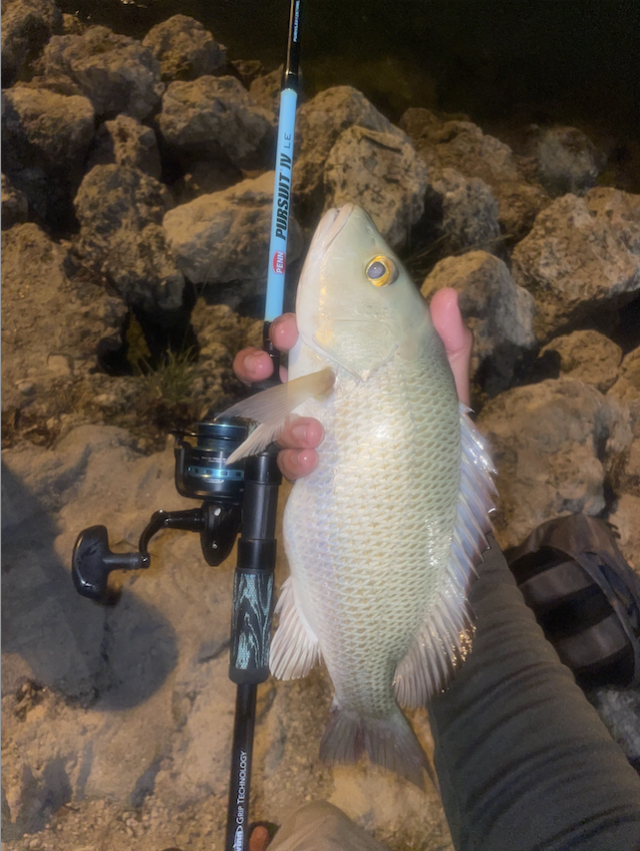
- Penn Pursuit V LE Spinning Combo with a 4000-series reel and 7′ medium rod
- Comparable models from Shimano, Daiwa, KastKing, and other reputable brands
-
Common Question: One-Piece or Two-Piece?
I personally prefer a one-piece rod because it offers slightly better sensitivity and feel, especially when fishing artificial lures. However, two-piece rods are easier to transport and store. For most beginners, either option works perfectly fine.
2. Fishing Line
The fishing line connecting you to the fish is just as important as the rod and reel itself. The right line can improve casting distance, sensitivity, and overall performance while helping beginners avoid unnecessary frustration.
Look for:
-
-
- A 300-yard spool of 10-20 lb braided line
- A spool of 20-30 lb fluorocarbon or monofilament leader material
-
Additional Note: If you primarily fish artificial lures, consider staying in the 10-15 lb braid range. Lighter line generally casts farther and allows for better lure presentation.
Good Beginner Options:
-
-
- PowerPro Super Slick V2
- KastKing SuperPower Braid
- Berkley Vanish Fluorocarbon Leader Material
-
Common Question: Fluorocarbon or Monofilament Leader?
There are situations where fluorocarbon offers advantages, particularly around clear water and pressured fish. However, for new anglers, either material can work well. The most important thing is learning to tie a good leader knot and checking your leader regularly for abrasion.
3. A Tackle Starter Kit
One of the biggest mistakes new anglers make is buying too much tackle too soon.Instead of filling an entire tackle bag, start with a handful of proven lures and terminal tackle that can catch fish in a wide variety of situations. These basics will help you spend more time fishing and less time wondering which lure to tie on next.
Artificial Lures
-
-
- 3″ Paddle Tail Soft Plastics
- One of the most versatile lures available.
- I especially like a white DOA 3″ Paddle Tail because it imitates many common baitfish species.
- Jig Heads
- Carry a selection from 1/8 ounce to 1/2 ounce to match different depths and currents.
- I personally like Strike King Flat’s Jig Heads in white or chartreuse.
- Artificial Shrimp
- Berkley Gulp! 3″ Shrimp in New Penny is a proven producer.
- I also like keeping a few durable non-Gulp options such as DOA Shrimp, Vudu Shrimp, or Tsunami Weedless Shrimp.
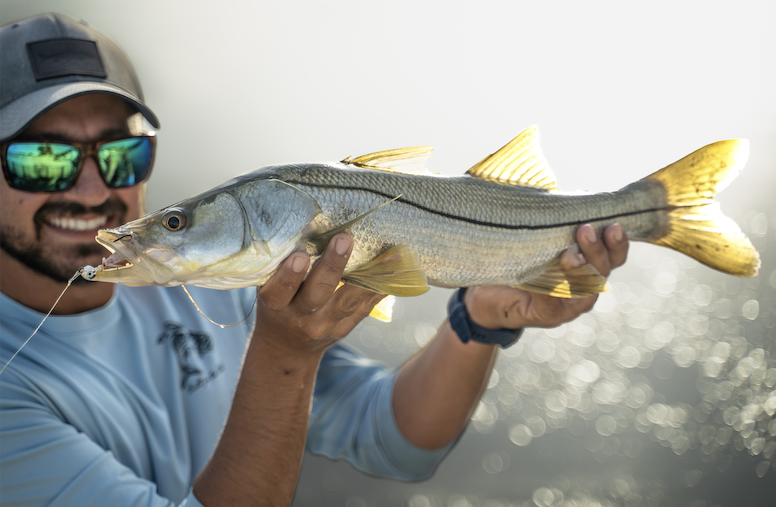
Snook caught on a 3″ Gulp shrimp in new penny on a 1/4oz Strike King jighead.
- 3″ Paddle Tail Soft Plastics
-
Terminal Tackle
-
-
- Circle Hooks
- Sizes 1/0 through 3/0 (variety packs are great)
- Choose non-offset (inline) circle hooks whenever possible. These give the best chance of jaw-hooking fish.
- Egg Sinkers and Split Shot
- Carry a variety of sizes to adapt to different depths and currents.
- Floats (bobbers for my freshwater anglers)
- Include both popping corks and traditional floats.
- They can help keep baits suspended in the strike zone and make fishing more enjoyable for beginners.
- Circle Hooks
-
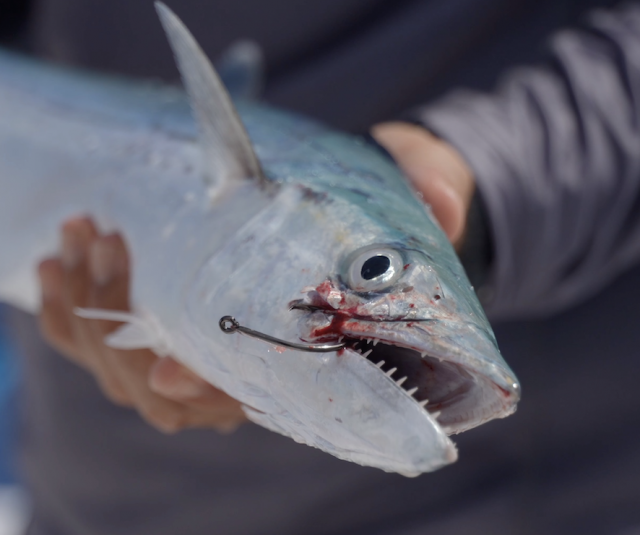
4. Pliers, Dehooking Tools, Lip Grips, and Nets
These tools often don’t get the same attention as rods and lures, but they can have a major impact on both angler safety and fish survival. The right fish-handling tools make it easier to remove hooks, control fish safely, and get fish back in the water quickly when releasing them.
Aluminum Pliers
-
-
- Useful for cutting line, crimping tackle, and removing hooks.
- There are countless options available. Choose a corrosion-resistant pair that fits comfortably in your hand.
-
Dehooking Tools (several types)
-
-
- One of the safest and most efficient ways to remove hooks. They allow anglers to release jaw-hooked fish without even touching them.
- For beginners, I recommend a small sabiki-style dehooker.
-
Lip Grips
-
-
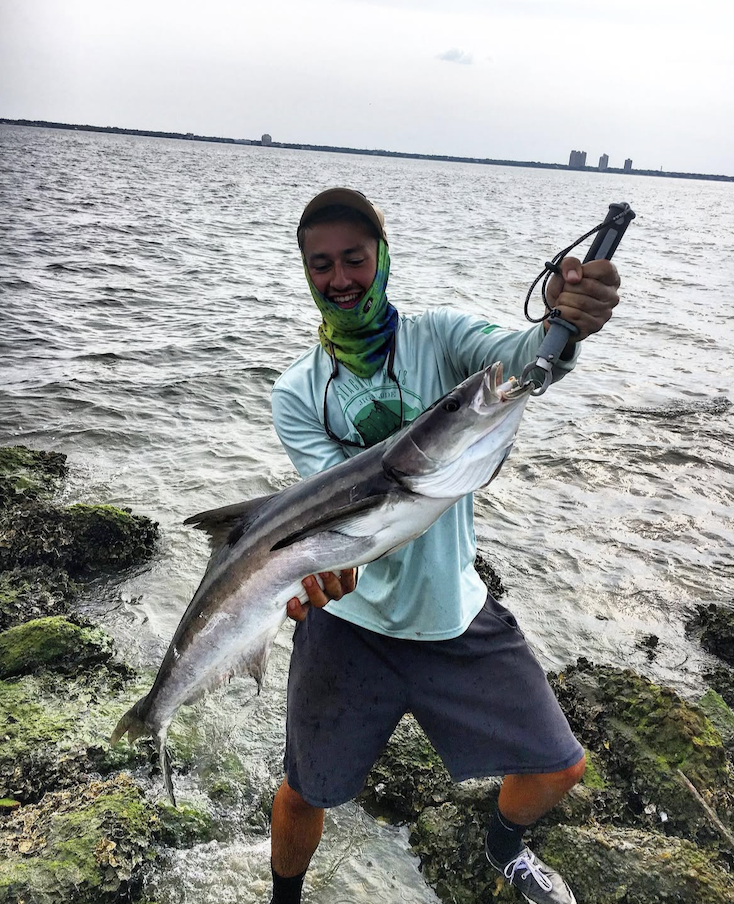
- Particularly helpful when handling species with sharp teeth, spines, or strong thrashing behavior.
- They can help prevent fish from being dropped during handling.
- I generally prefer the Boga Grip style, although many affordable alternatives work well.
-
Landing Nets
-
-
- If you use a net, choose a rubber-coated, knotless net.
- Rubber nets are easier on fish and help preserve the protective slime coating that supports fish health.
-
5. Other Essential Equipment
A few additional items can make fishing more enjoyable, help anglers comply with regulations, and build good habits from the start.
Polarized Sunglasses
-
-
- Polarized sunglasses do more than protect your eyes. They cut glare, improve visibility in the water, and help anglers spot fish and structure more effectively.
- There are countless options available. Choose a corrosion-resistant pair that fits comfortably in your hand.
- Popular options include Bajio, Costa Del Mar, Smith Optics, Maui Jim, etc.
-
A Fish Measuring Device
-
-
- An accurate measuring device helps anglers quickly determine whether a fish is legal to keep while minimizing handling time.
- Popular options include ruler stickers, measuring boards and soft tape measures.
-
A Fishing License and Education
-
-
- One of the most overlooked gifts for a new angler is the opportunity to learn.
- Consider giving a one-year saltwater license, a guided fishing trip, or other educational resources on fishing.
-
The Best Gift Is Confidence on the Water
The first year of saltwater fishing is all about learning. It’s about exploring new waters, figuring out where fish live, learning seasonal patterns, developing confidence, and building habits that lead to future success.
The right gear won’t guarantee fish, but it can remove obstacles and make the learning process more enjoyable. Whether it’s a rod and reel combo, a pair of polarized sunglasses, or a fishing license, the best gifts are the ones that help new anglers spend more time on the water and become better stewards of the resource.
This holiday season, give a gift that helps anglers catch fish, create memories, and Return ‘Em Right.