
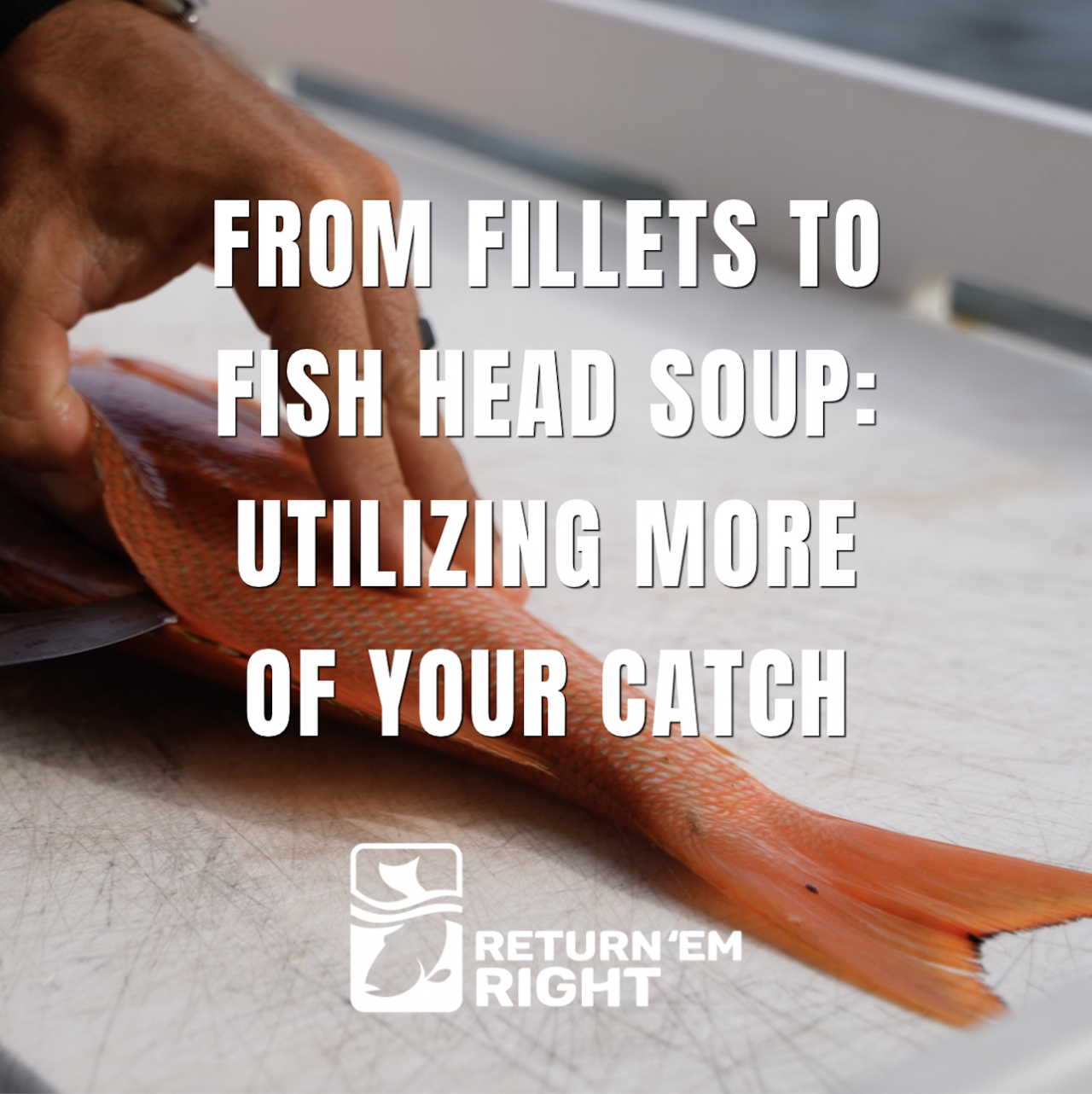
My Journey to Utilizing More of My Catch
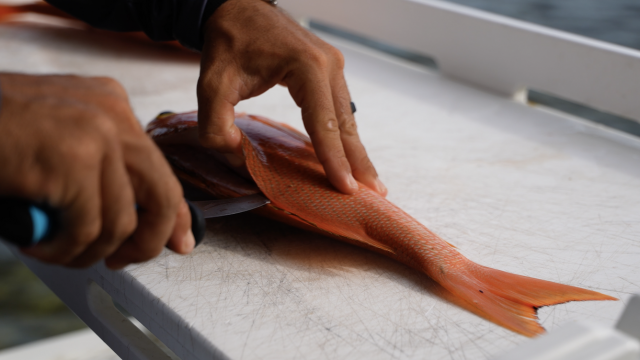
Like a lot of anglers, I used to think getting the most out of a fish meant getting a perfect set of fillets. I took pride in my filleting skills, and although I wasn’t the fastest, I’d take my time, stay close to the backbone, and try to leave as little meat behind as possible. In my mind, if I ended up with two nice, clean fillets, I had done a pretty good job utilizing the fish.
I never really thought of it as wasteful. It’s simply how I learned to clean fish, and I imagine it’s how a lot of anglers still approach their catch today.
But over the years, my thinking has evolved. As I’ve spent more time thinking about each fish and wanting to harvest more of my own food, I’ve started looking at the fish I harvest a little differently. If I’m going to make the decision to keep a fish, I might as well try to make the most of it.
Through time, and with lots of content available online (shoutout to Key West Waterman), I’ve discovered that some of the best parts of the fish were the parts I used to throw away.
A Fish Is More Than Two Fillets
For many of us, fillets are still going to be the main reason we harvest fish. They’re convenient, easy to cook, and work in just about any fish recipe you can think of. But they’re far from the only usable part of the fish. Depending on the species and size of the fish, there can be quite a bit of meat around the head, throat, collars, cheeks, rib cage, and backbone. I certainly don’t use every single part of every fish I catch. There are practical limitations, and some species lend themselves to additional uses better than others. But I’ve started looking at what’s left on the cleaning table differently.
Fish Collars and Throats
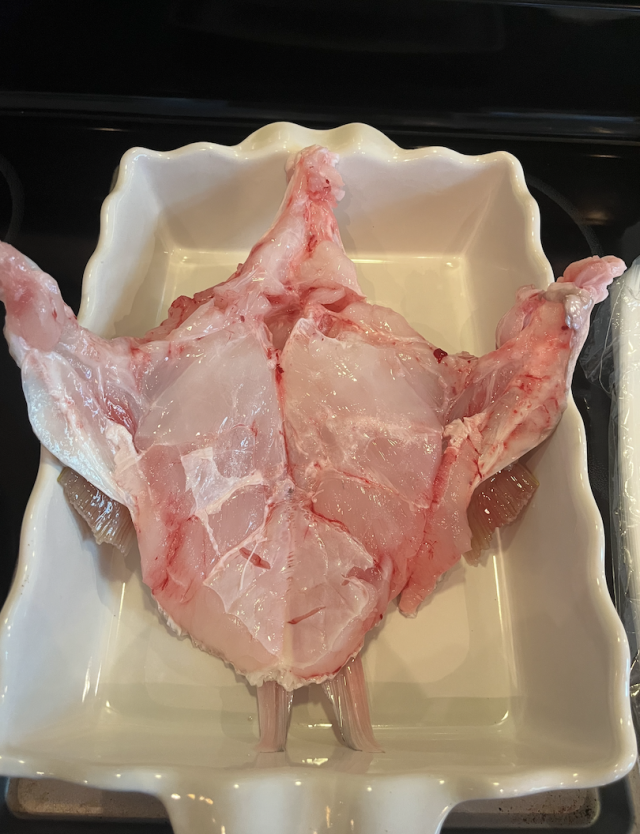
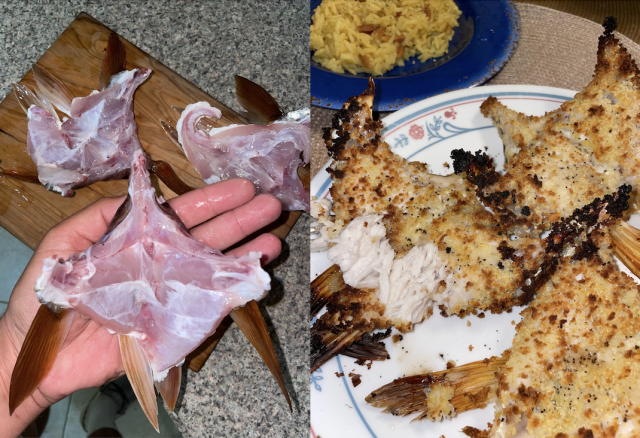
One of the first changes I made was saving the collars and throats from larger fish. If you’ve never eaten a fish collar, you’re missing out! On a large enough fish, the area around the pectoral fins and throat can contain a surprising amount of quality meat. I’ll often cook the collars separately and turn them into another meal rather than throwing them away with the rest of the carcass. Depending on the fish, they can be grilled, roasted, smoked, or prepared relatively simply with almost any seasoning.
It might not look like the perfect skinless, boneless fillet we’re accustomed to seeing on a plate, but that’s part of the point. We eat food like this all of the time… blue crabs are a staple seafood item and chicken wings are on every menu across America. I actually often refer to these as “fish wings” just because the pectoral fins look a little bit like wings.
Before You Toss the Head…
Admittedly, it took me a little longer to get behind this one. Saving collars feels like a pretty small departure from traditional fish cleaning. Saving a fish head feels a lot different.
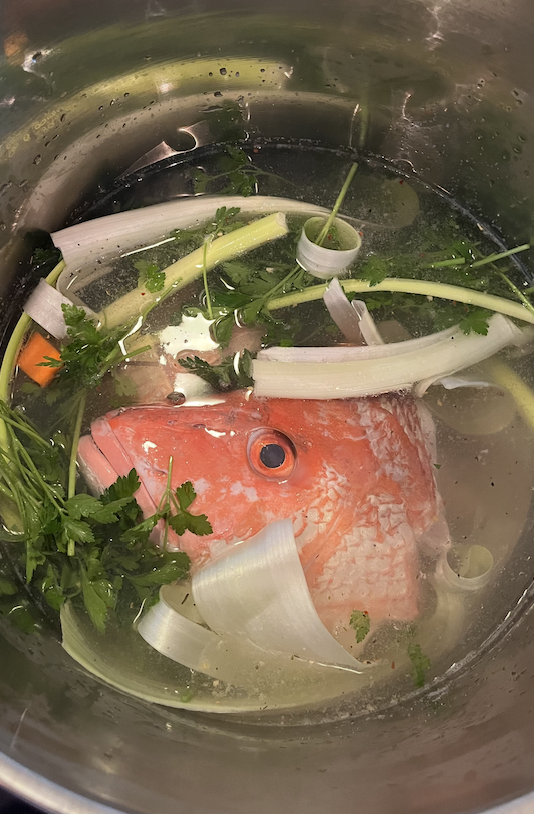
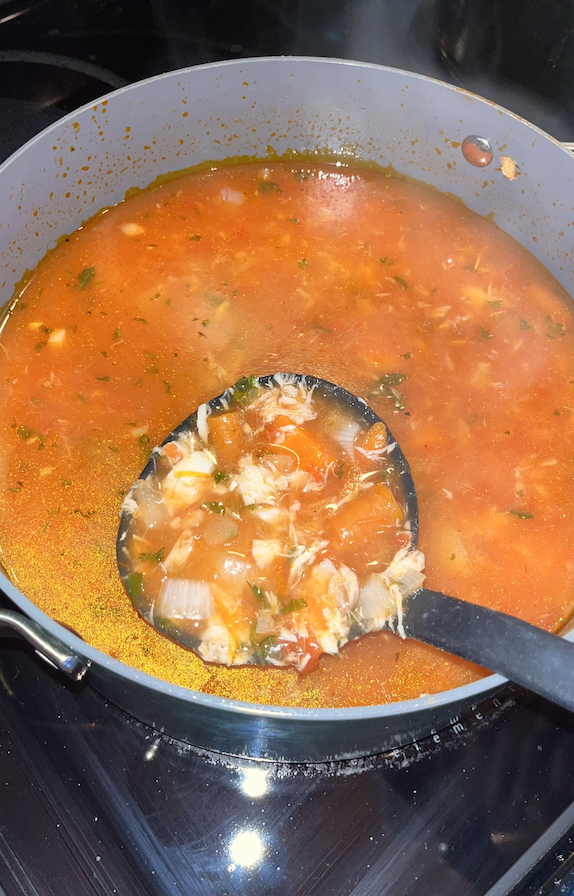
Recently, though, I’ve started saving a head or two from some of the fish I harvest and using them to make fish broth or fish head soup. A fish head, along with bones and trimmings from the carcass, can form the base of a flavorful homemade broth. Additionally, all the extra bits of meat from the head, backbone, ribs, etc. can be used for your first batch of soup you make with the broth. A simple batch doesn’t need to be complicated. I use the cleaned fish head (cut out the gills and remove any guts) and suitable bones and trimmings, combine them with aromatics such as onion, celery and herbs, cover them with water and gently simmer everything for an hour or so before straining the broth.
Getting More Meals From the Same Fish
Getting more out of less is the part of this journey I’ve come to appreciate most. It’s not necessarily about eating more fish. It’s about getting more food from the fish I’ve already decided to keep. Imagine two anglers harvest the same size fish. One removes two fillets and throws everything else away. The other removes the fillets, saves the collars, cheeks and uses appropriate parts of the remaining frame and head to make broth. Both anglers harvested one fish. But one fish provided considerably more usable food. For a large snapper or grouper, the difference can be several meals worth of food.
To me, that’s conservation in one of its simplest forms.
The Goal Is Better, Not Perfect
I’ve learned that making better use of your catch doesn’t have to mean completely changing the way you clean fish. My habits certainly didn’t change overnight. I started with fillets. Then I added collars. More recently, I’ve started experimenting with heads and frames for broth. I’ve always kept the cheeks if the fish is large enough. Maybe I’ll find other ways to make better use of my catch in the future. I’m admittedly new on this journey myself and have a long way to go to learn how to best utilize each fish.
My advice would be to start with one thing you normally throw away and give it a shot. I think this is a much more realistic approach than expecting every angler to suddenly practice nose-to-tail fish cookery.
Harvest What You’ll Use, and Use What You Harvest
There’s a phrase I’ve heard many times over my life of fishing, “Take what you need.” Adding “Use what you take.” is completing that cycle of being a fisherman. I’ve been guilty of it in the past, but doing your best to actually eat everything you harvest is part of being responsible. Sometimes I see the dock of death shots and wonder how much of the fish was thrown out after being in the freezer for years. Properly preparing and storing your fillets before they go in the freezer will help minimize some of the waste and extend the shelf life of your frozen fillets.
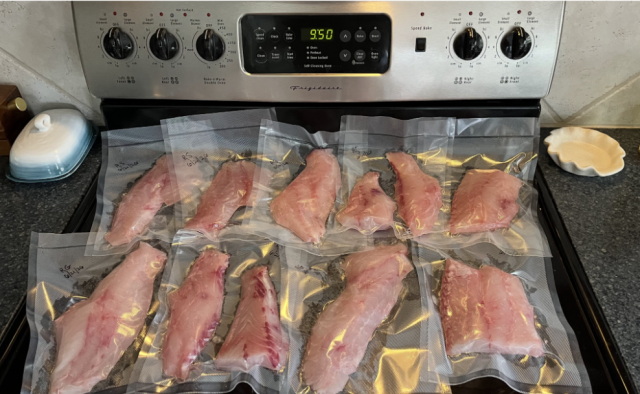
For me, respecting that resource increasingly means trying to waste less of it. I’m certainly not perfect at it. I’m still learning. If more anglers can find one additional way to use a little more of every fish we harvest, we can get more from the resource without needing to take more from it.