

The Early Life of Reef Fish
By: Nick Haddad
How we fish and the species we pursue often evolves over time. Many anglers start their journey inshore targeting trout, redfish and other coastal species before venturing deeper into the offshore world. This transition through our fishing lives is not all that uncommon to the lifecycle of many of the reef fish we pursue. Long before many snapper and grouper ever reach those deep reef habitats, they spend a critical part of their lives somewhere much shallower, on the coastal flats.
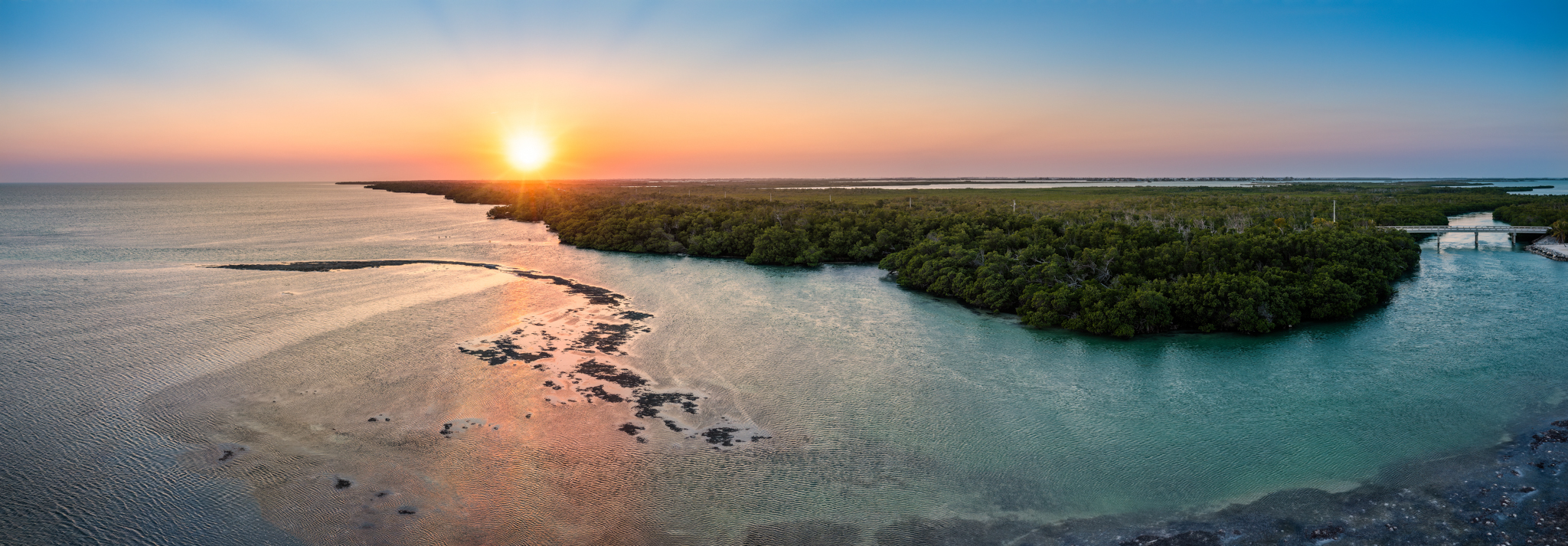
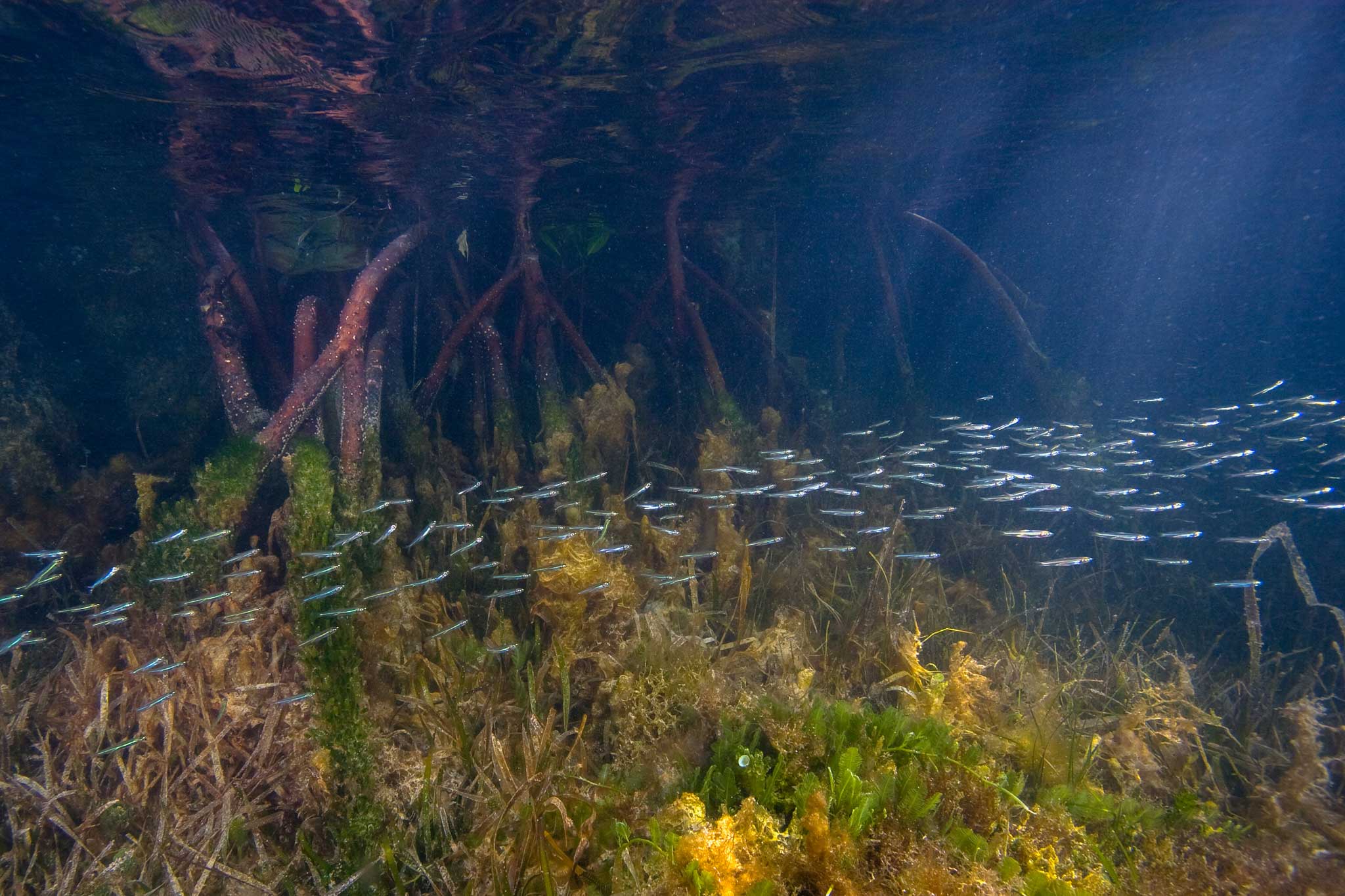
Seagrass flats, mangrove shorelines, and estuarine habitats act as nurseries for many reef-associated species, providing the shelter and food juvenile fish need to survive their earliest life stages. These habitats are more than scenic coastlines, they are the starting point for many of the fish we encounter offshore.
A Life on the Move
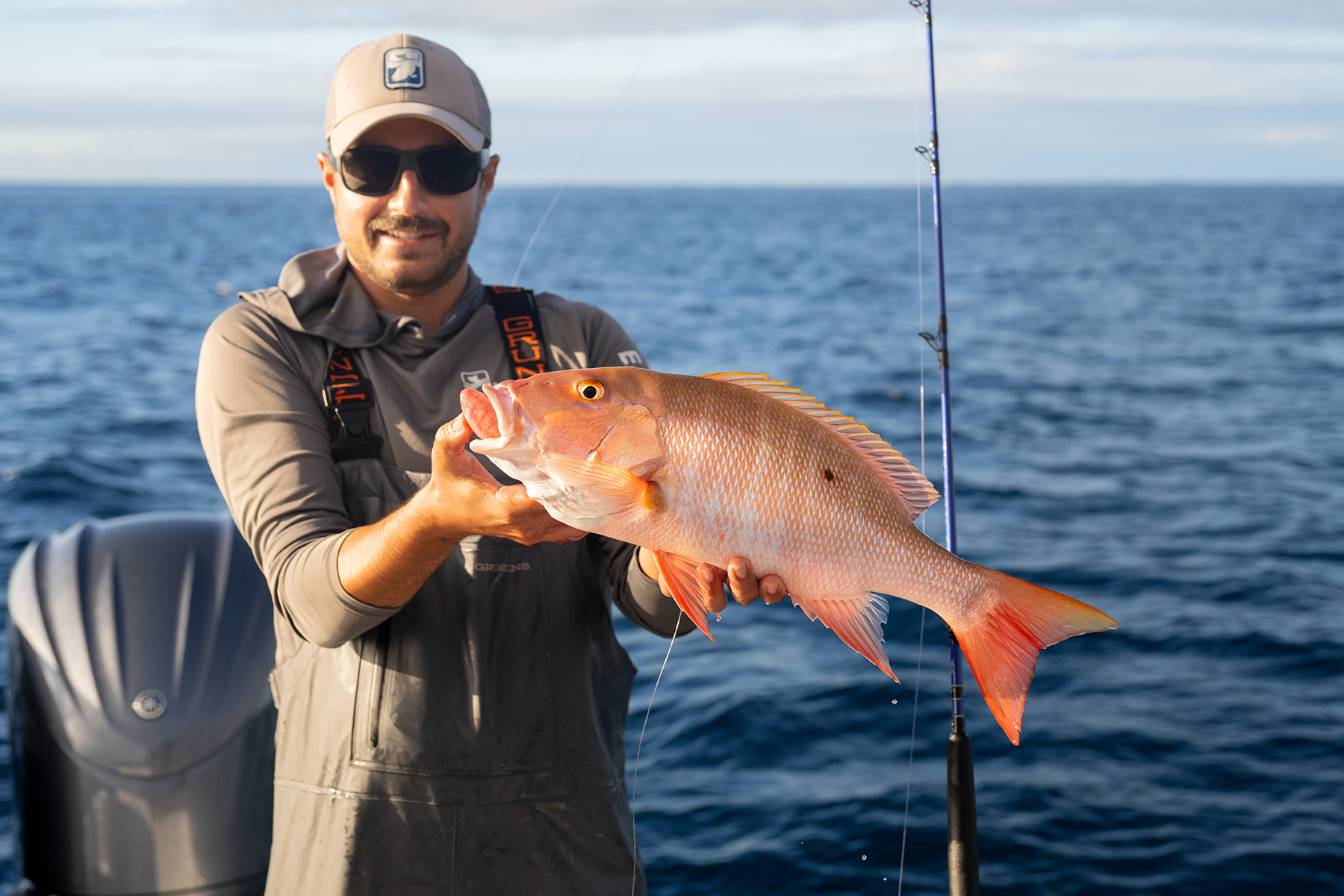
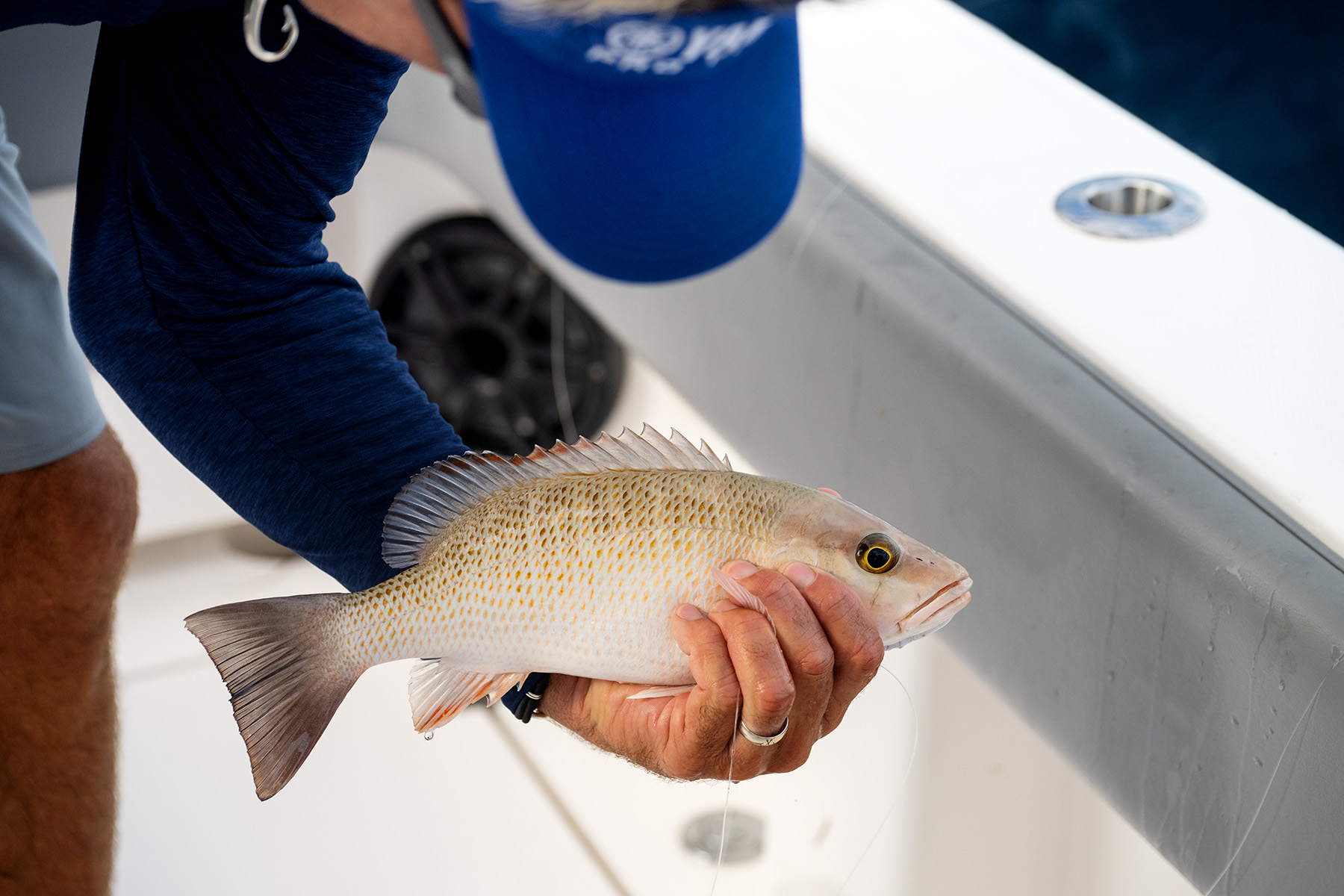
Many reef fish follow what scientists call an ontogenetic habitat shift, a gradual movement through different habitats as they grow. For species like snapper, grouper, hogfish, and others, life often begins far from the offshore reefs anglers associate with them.
Newly settled juveniles find refuge in shallow, structured environments like seagrass beds or mangrove root systems. These habitats offer two things young fish desperately need:
Protection from predators: Dense seagrass blades and tangled mangrove roots make it difficult for larger predators to hunt small fish.
Plenty of food: These habitats are full of shrimp, crabs, and small baitfish that help young predators grow quickly.
As fish grow larger and less vulnerable, they gradually move toward deeper structure and offshore reefs, eventually joining the adult populations anglers target.
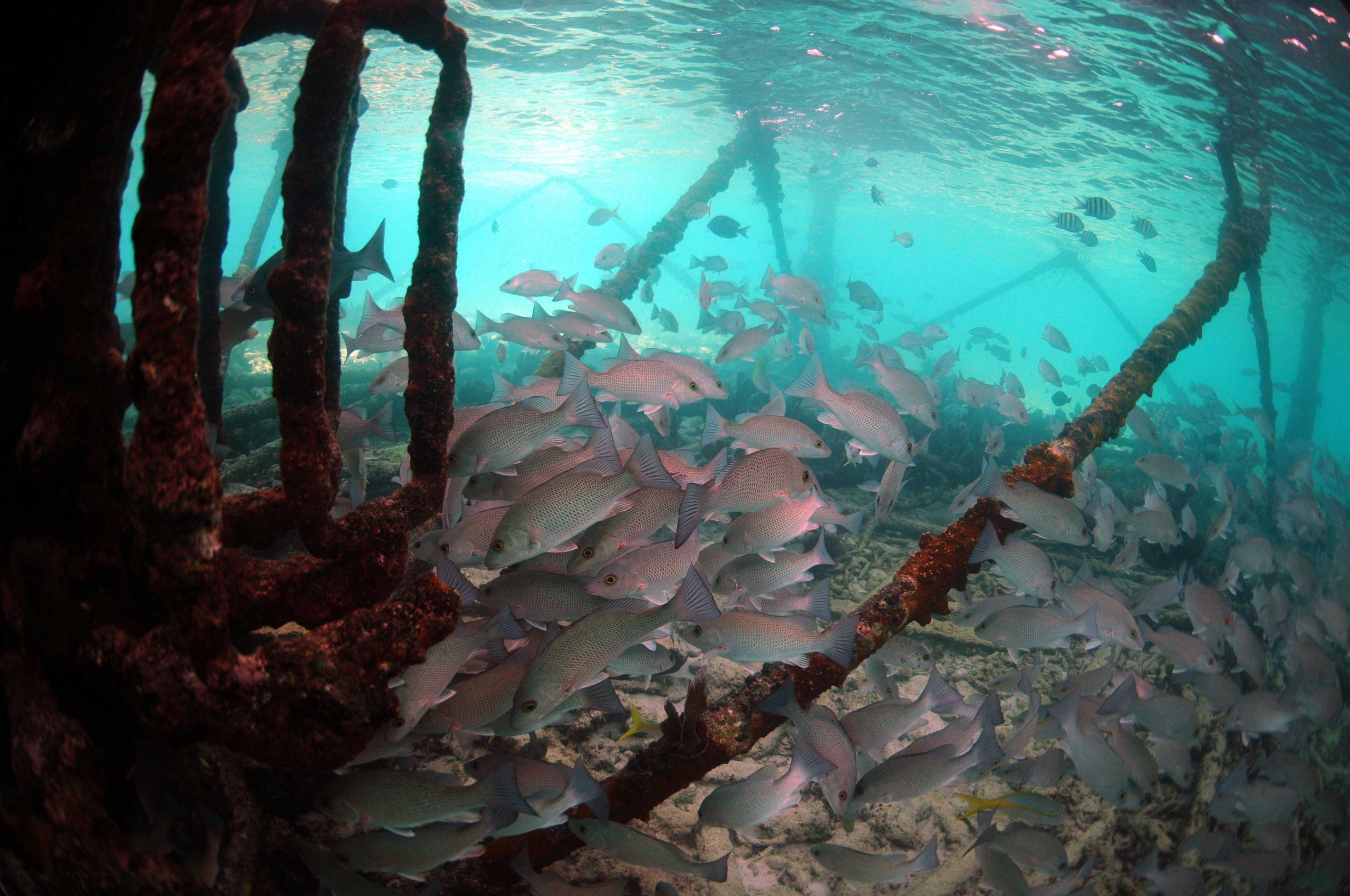
The Science Behind the Nursery
Researchers have spent decades studying how these habitats support offshore fisheries. Multiple studies have shown that juvenile reef fish are far more abundant in seagrass beds and mangroves than on nearby reefs, highlighting the importance of these habitats during early life stages.
Recent research in the Gulf has even used otolith chemistry, a technique that reads chemical signatures in fish ear bones, to determine where fish spent their early life. These studies found that a large portion of adult reef fish on offshore reefs originated from seagrass nursery habitats along the coast (Fodrie et al. 2020).
In other words, many fish caught miles offshore started their lives on the flats. This connection between coastal nurseries and offshore reefs is known as habitat connectivity, and it plays a major role in sustaining reef fish populations.
Species That Depend on Inshore Nurseries
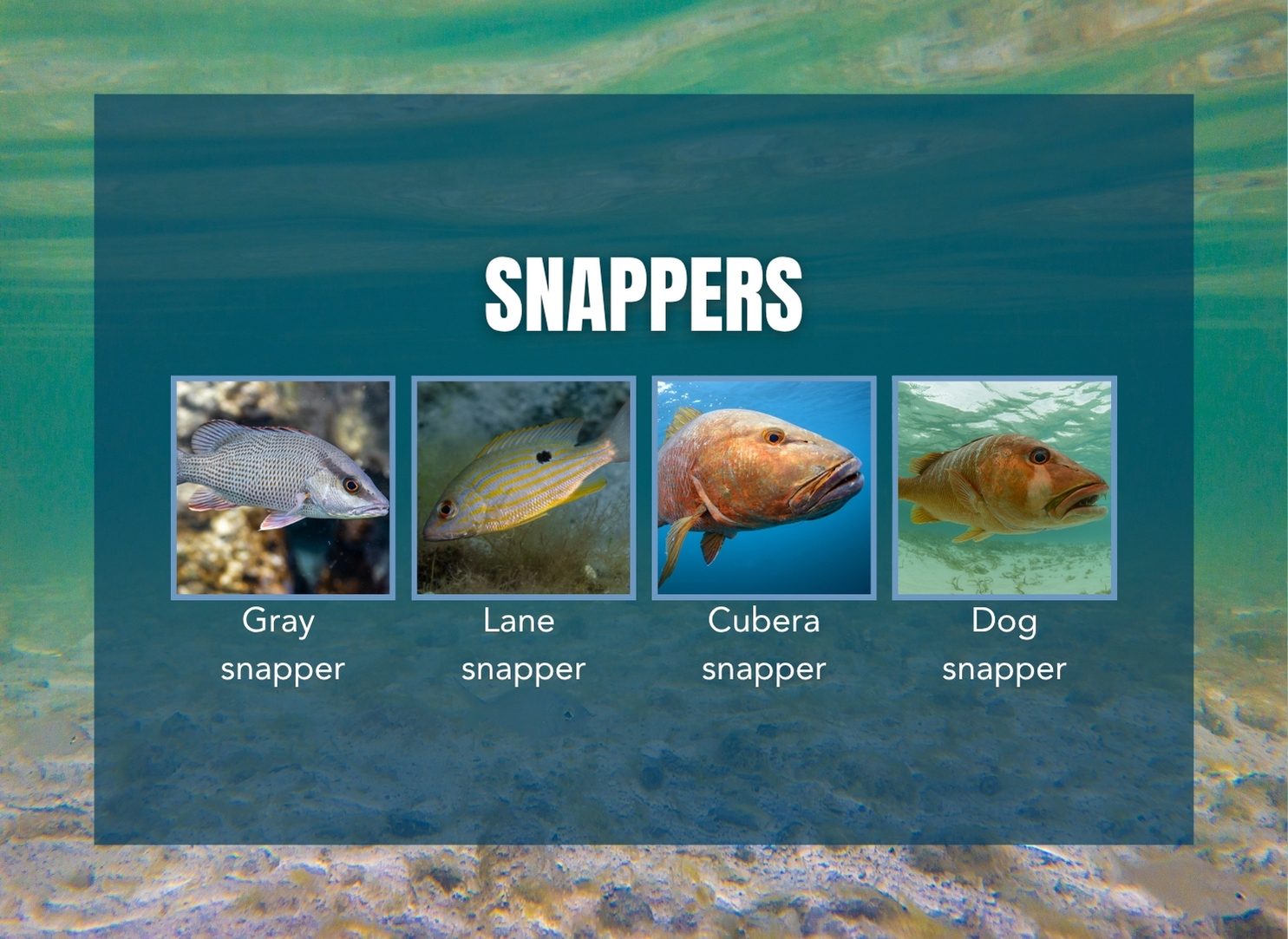
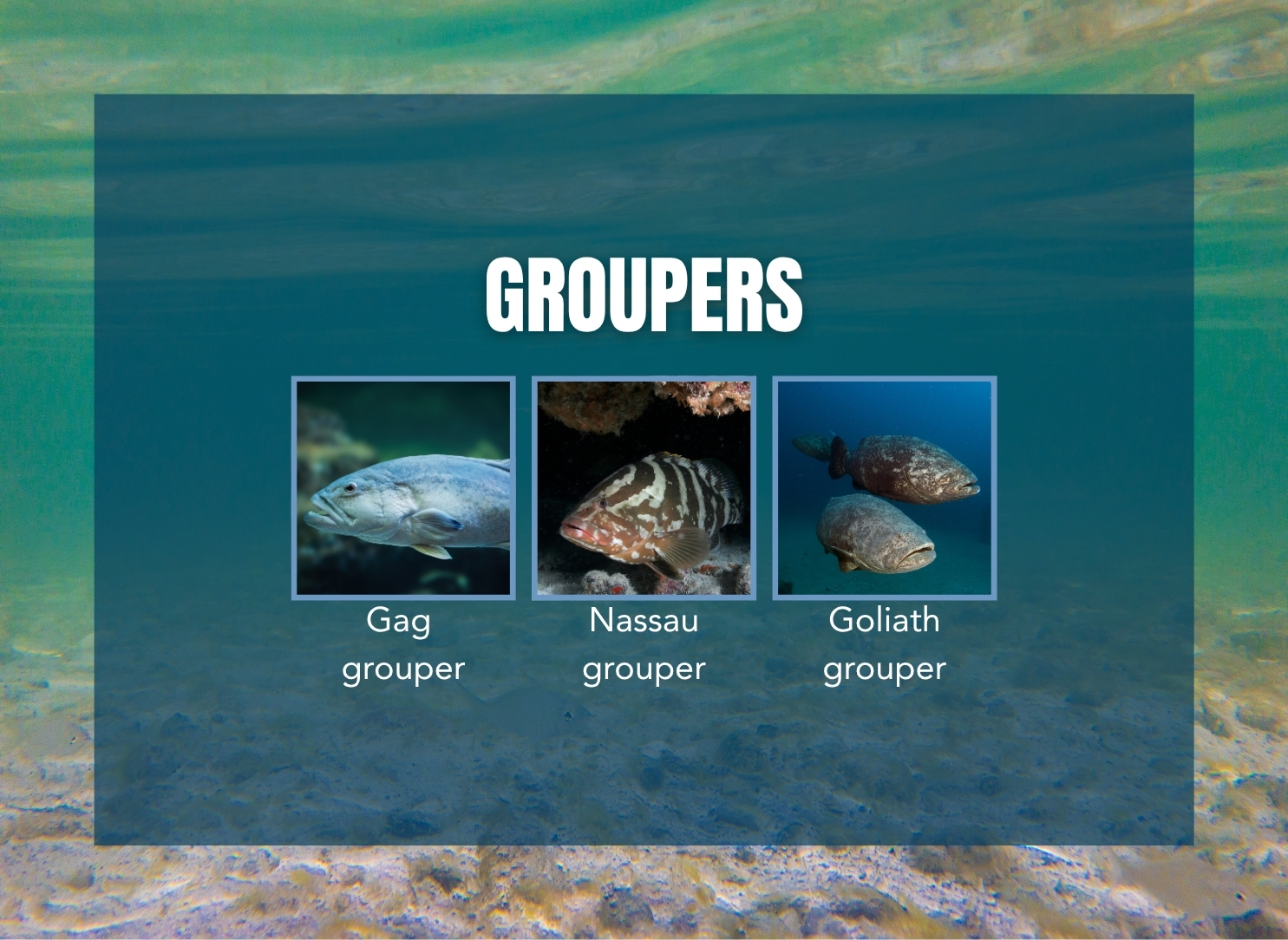
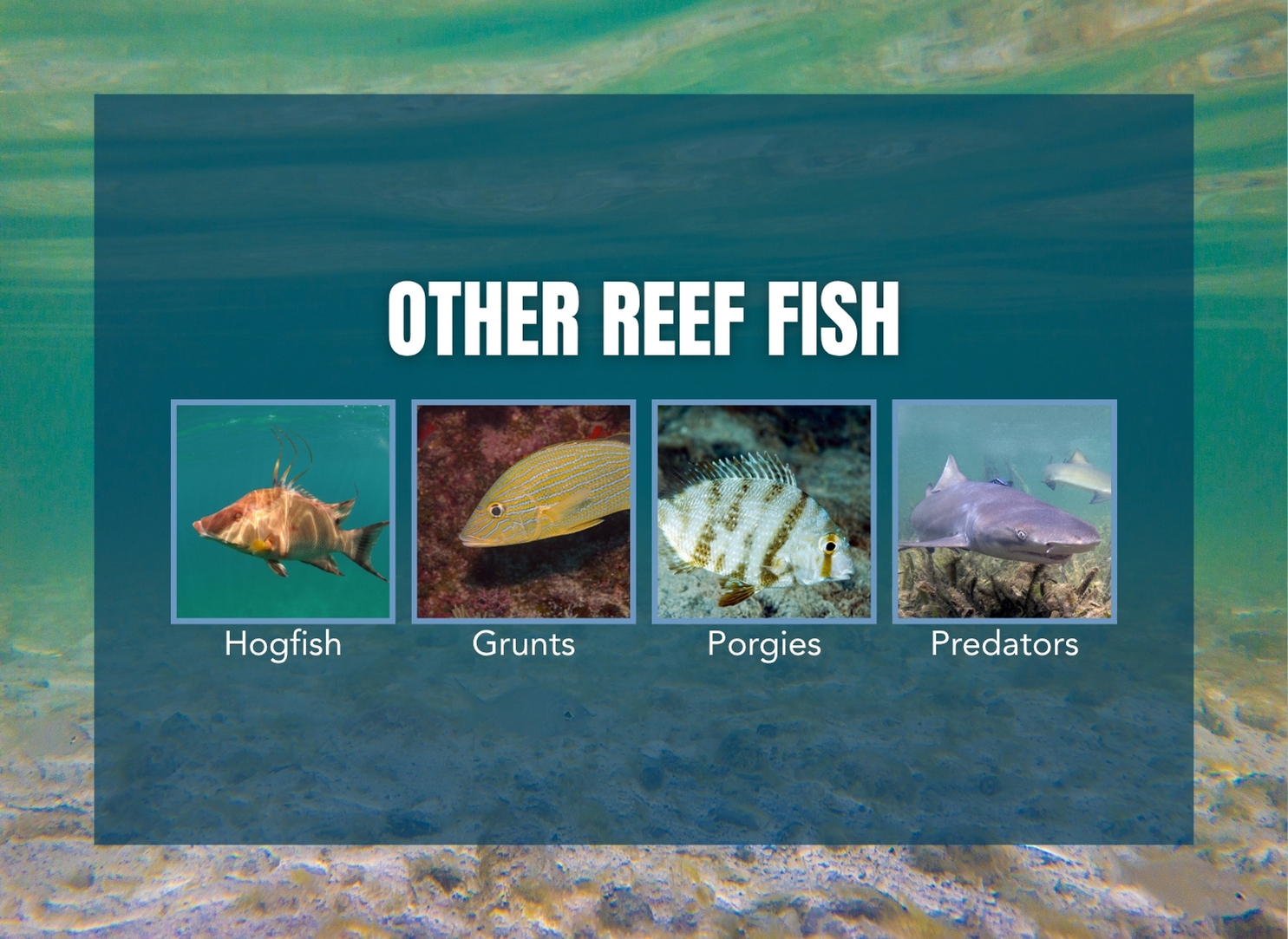
Many popular offshore species rely on these habitats during their juvenile stages, including:
Why This Matters for Anglers
The connection between the flats and offshore reefs highlights an important reality: healthy coastal habitats help support healthy offshore fisheries.
Seagrass meadows and mangrove shorelines provide the safe starting point many reef fish need to survive their earliest life stages.
When these habitats thrive, they help produce the fish populations that anglers encounter later on reefs and wrecks.
Protecting these coastal nurseries doesn’t just benefit the ecosystem, it helps sustain the fisheries that anglers depend on.
The Flats That Feed the Reef
The next time you run offshore chasing snapper, grouper, or hogfish, remember that many of those fish likely began their lives somewhere much shallower.
Long before they ever reached the reef or wreck you often fish, they were growing up in quiet seagrass beds and tangled mangrove roots along the coast, the hidden nurseries that help fuel offshore fisheries.
To learn more about how we as anglers can enhance the survival of reef fish, visit returnemright.org.