
How the Program Started and Why It Matters
By: Marie Head, Sean Wilms, Leo Eguia
The For-Hire At Sea Observer Program began in Florida more than 15 years ago and now spans every Gulf state. The program was developed to better understand the recreational fishing sector, especially catch and discard rates, providing fisheries managers and scientists with detailed information about catch and release of reef fish species.
To collect these data, trained fisheries biologists, known as observers, ride along on fishing trips aboard charter boats and headboats. Throughout the trip, observers record important details such as species caught, the number of fish released, the condition of the fish when they are released, and how the fish are returned to the water. They may also measure the length of released fish and tag certain species to help scientists better understand how fish survive after they are caught and released.
With support from the Return ‘Em Right program, the Observer Program has expanded to other states and improved how data are collected. This includes better data management, exploration of new scientific technology, and more consistent data collection across the Gulf. Return ‘Em Right’s mission centers on reducing discard mortality for Gulf reef fish, and the Observer Program provides some of the most detailed real-world data available on how fish are released and whether those practices actually work. Every trip and every data point help protect the future of fishing in the Gulf.
The Importance of Stakeholder Cooperation
Observers are often the face of their organization while they are out on the water. Before they ever step on a boat, observers must first reach out to charter captains and invite them to participate in the program. Building those relationships is an important part of the job. Strong relationships with the for-hire fleet not only allows observers to collect high-quality data but also helps expand the program and increase trust between scientists and stakeholders. This program gives fishers a chance to be the data that directly informs fisheries management decisions. The Observer Program also gives anglers a chance to meet the fisheries scientists collecting information and see science in action in real time.
What do Observers do on the boat?
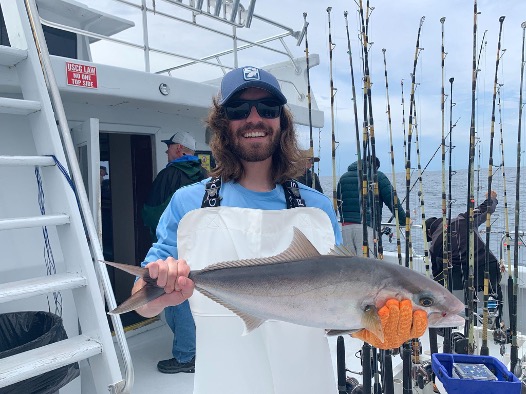
At the start of the trip, observers check in with the captain and crew to go over the plan for the day, like what species are being targeted, how many anglers are expected, and what gear will be used. From there, they find a spot on deck where they can stay out of the way of the action, but still be close enough to quickly record data and tag fish as they come aboard. Once lines go in the water, things move fast. Observers measure and handle a lot of fish, but that is only part of the job. When they are not measuring fish, they are recording data on a tablet or writing notes on a clipboard.
What are they actually recording?
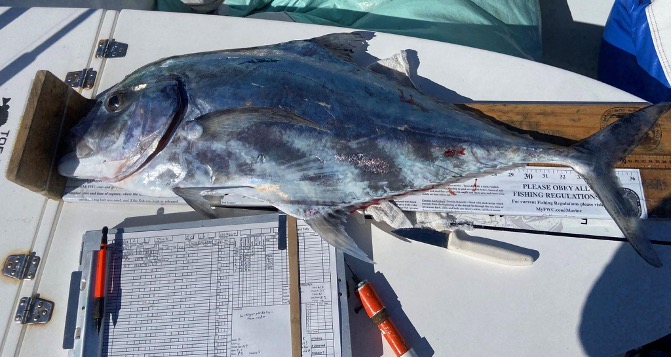
For fish that are released, observers collect a lot of detail. They record who caught the fish, its size, where the hook was located and whether a venting tool or descending device was used, and if any predation occurs after release. For certain species, they may also tag the fish before it is released. These are the types of data that help scientists understand whether best release practices, such as using descender devices to return fish to the bottom, are being used and whether they improve survival after release.
What does the data they collect get used for?
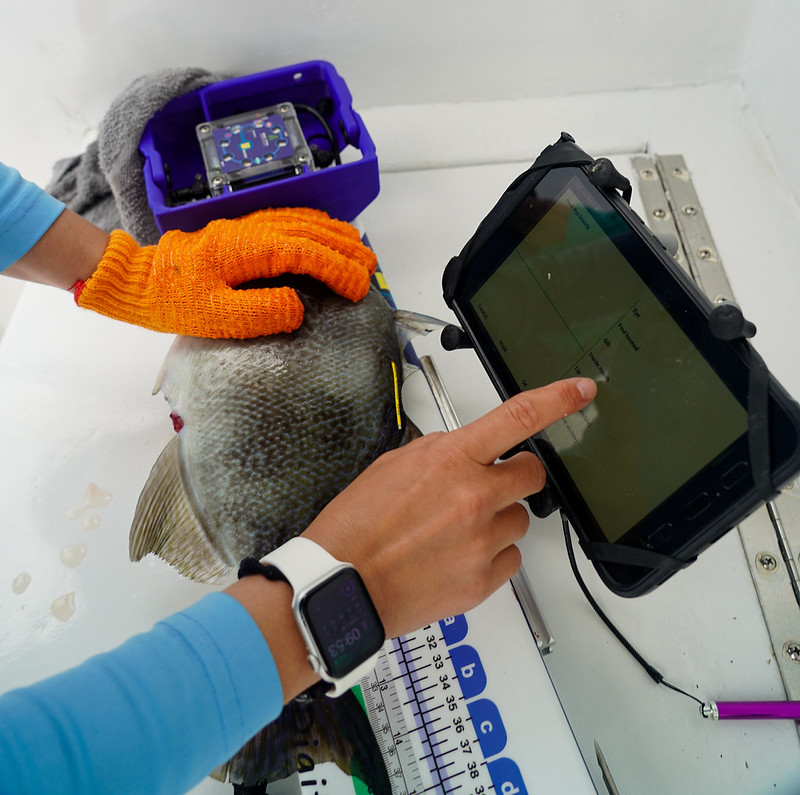
Information on the number and size of released fish is regularly used in stock assessments while tag and recapture data help scientists better understand fish movement and survival after catch and release of fish species.
Since the program began in 2009, the dataset has been used in a number of studies. As it continues to grow across the Gulf over time, interest in its use for research continues to increase. Studies have looked at topics like the benefits of circle hooks use, discard mortality rates by fish species, predation occurrences, venting and descending device usage by anglers, and other trends in the fishery.
Tag Returns – How Can Anglers Help?
During for-hire charter trips targeting reef fish, observers often tag important species such as red snapper, red grouper, gag grouper, gray triggerfish, and greater amberjack. These species are commonly caught even when anglers are targeting other species that are in season and are often released due to regulations.
Many of these fish are also susceptible to barotrauma, which is injury caused by rapid expansion of the swim bladder organ due to changes in water pressure as fish are reeled up from deep water. This can affect their ability to swim down and may make them more vulnerable to predators or other stresses. As a result, it can seriously impact their chances of survival after release. Improving survival is a central goal of the Return ‘Em Right program, and the Observer Program’s tagging data is one method to measure whether the program’s efforts are making a difference on the water.
By tagging these fish and collecting the associated data described earlier, scientists can learn more about survival after release. When a tagged fish is caught and reported, it provides valuable information that helps estimate survival rates and evaluate how different release methods affect outcomes. Over time, this information can help identify best release practices for anglers.
Why Reporting Tagged Fish Matters
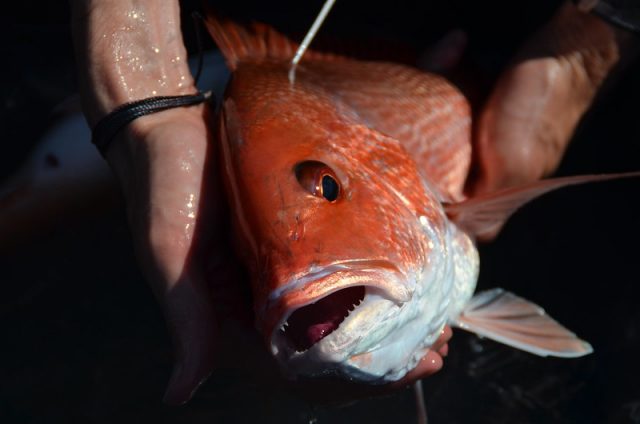
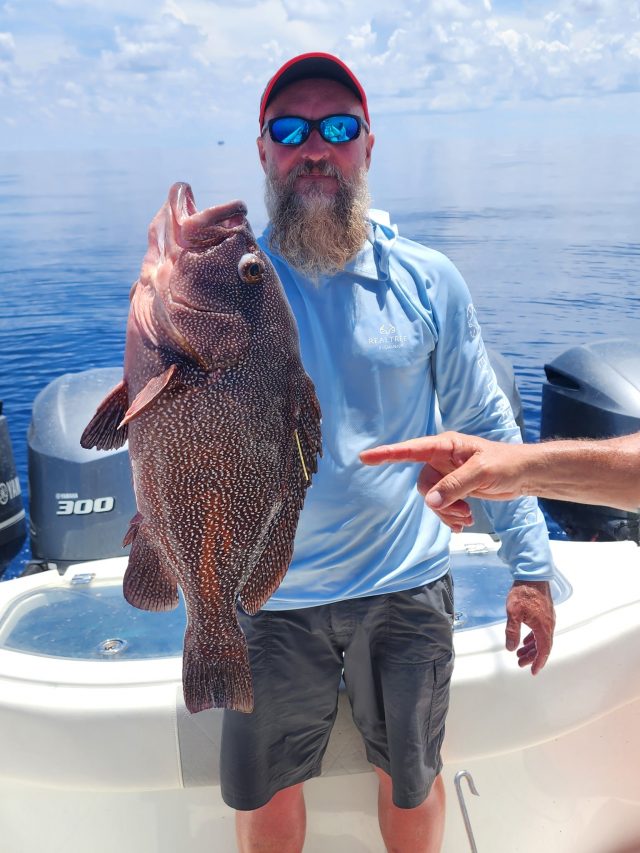
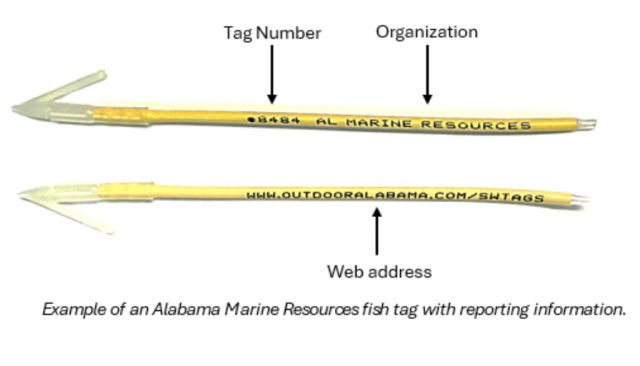
To help track these fish, observers use dart tags, sometimes called “spaghetti tags.” These tags are usually bright in color and include a unique identification number along with contact information so the fish can be reported if it is caught again.
If you catch a tagged fish, you may be eligible for a reward when you report it. If the fish needs to be released, try to record the tag number or take a photo, measure the fish, and note your general location. Unless the tag says otherwise, leave it in place so the fish can be recaptured again in the future.
You can report a tagged fish by calling the phone number on the tag, filling out a tag return card, or submitting the information online. Reporting tagged fish is a simple way for anglers to contribute directly to fisheries science and help improve the future of fishing.
“Get Involved”
The At-Sea Observer Program is truly a team effort, with observers, captains, crew, and anglers all playing a role in collecting the data needed to better understand our fisheries. Whether you’re welcoming an observer onboard or reporting a tagged fish, your involvement makes a difference and helps support the future of fishing in the Gulf. The data collected not only informs science, but also helps evaluate whether Gulf reef fish populations are recovering and how angler release practices are contributing to that progress.
If you catch a tagged fish, take a moment to write down the tag number, measure the fish if you can, and note your GPS coordinates or general location before releasing it. If possible, snap a photo of the tag. To report it, read the tag carefully. It will include a phone number, website, email, or a combination of those things specific to the organization that tagged the fish. Use those contact details first, which should go directly to the right program.
Tag Return Contacts:
Alabama
Report online: https://www.outdooralabama.com/swtags
Or call the Angler Tag Return Hotline: 251-968-6605
Mississippi
Report by calling 228-523-4023
Florida, Louisiana, or Texas
Report via email: tagreturn@myfwc.com or call the Tag Hotline: 1-800-367-4461
Interested in having an observer on your boat? FWC also has a webpage for the observer program where captains that are interested can get in touch with us: https://myfwc.com/research/saltwater/fishstats/at-sea-observer-survey/
Additional organizations also conduct fish tagging programs and may not be listed here. Each tag includes the necessary reporting information. If you’re unsure who to contact, reach out to your local state fisheries office for guidance.