

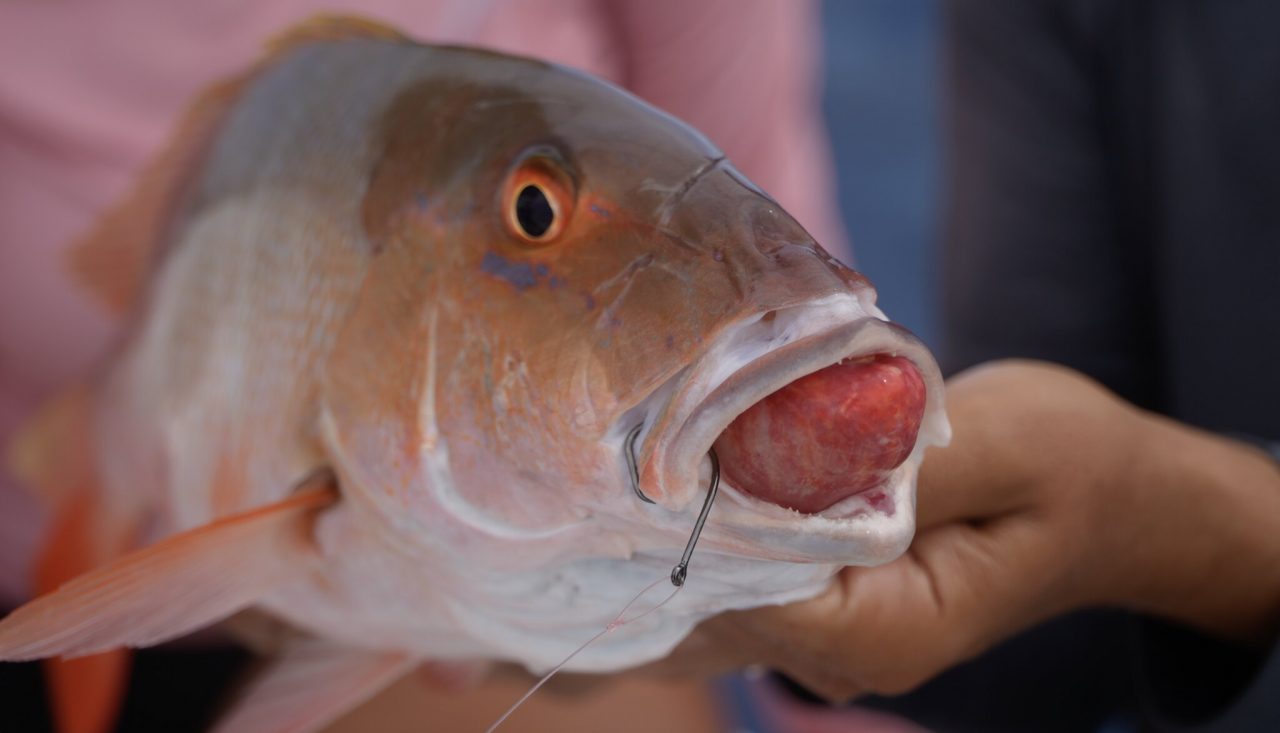
By: Eric Vichich
How an Ancient Fishing Practice is Helping Fish and Anglers Today.
If you’ve ever reeled in a grouper or snapper only to see it floating helplessly on the surface after release, you know the sinking feeling of “discard mortality”. As offshore anglers, we want to ensure the fish we release today are there to be caught again tomorrow.
While tools like descending devices are gaining popularity for combating barotrauma, one of the simplest and most effective ways to boost a fish’s survival rate happens before the fish even hits the deck: switching to circle hooks.
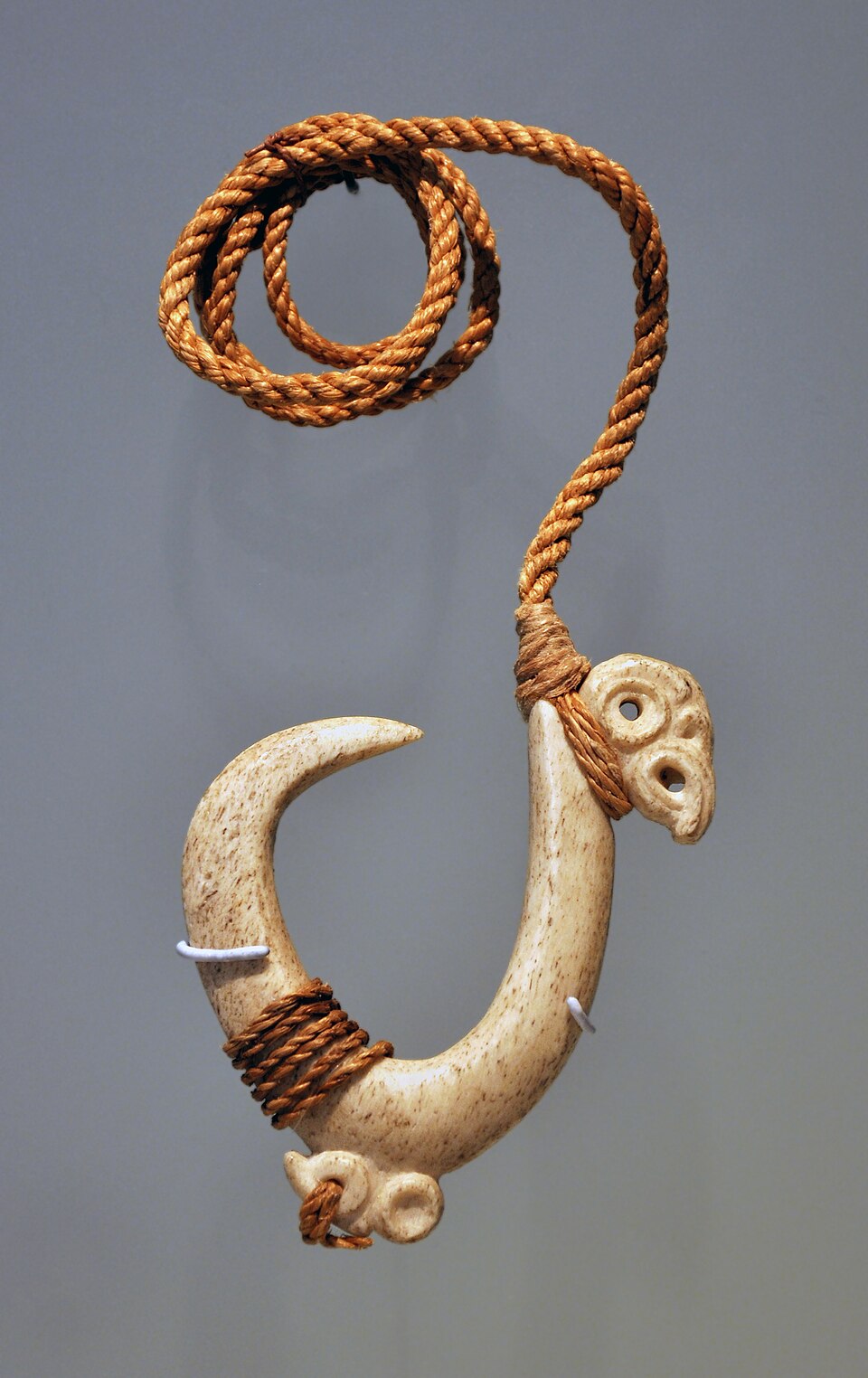
Circle hooks fashioned from bone, shell, or horn have been used for thousands of years by indigenous fishing cultures in places like Japan and Polynesia. Steel J-hooks became popular in the 1900s and remained the standard for many years until certain commercial fishing operators began using circle hooks for longline sets since they hold fish better on slack lines. Today, circle hooks are becoming more common in commercial and recreational fishing thanks to their many benefits, including lowering fish mortality after release.
What Makes Circle Hooks Different?
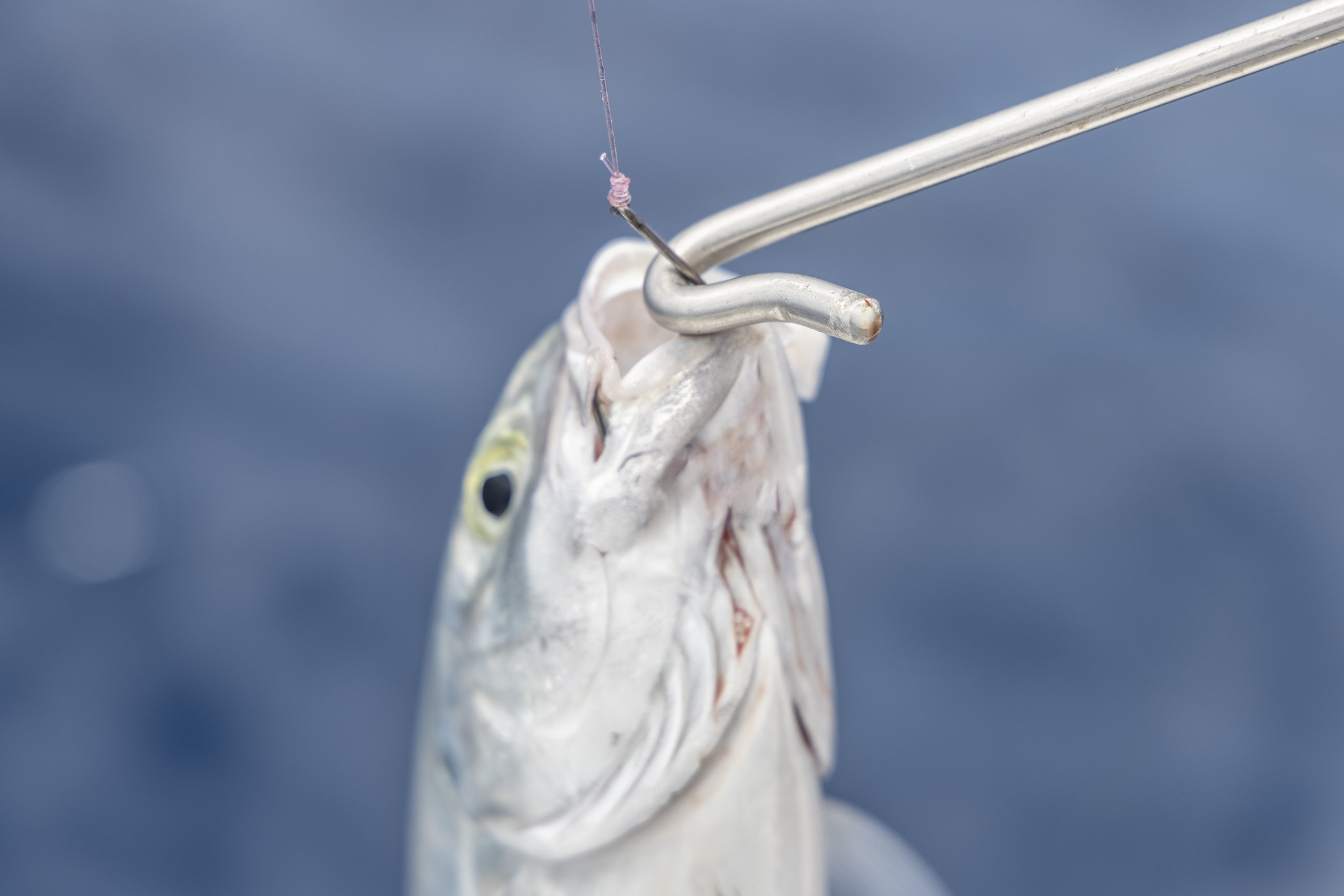
Unlike traditional J-hooks, which are designed to pierce just about anything (often the gut or throat), circle hooks feature a point turned back toward the shank. This unique shape can make it easier for the hook to slide out of the fish’s throat and catch firmly in the corner of the jaw. Another difference is not needing to “set” the hook with the fishing rod; just let the fish take the bait and swim naturally. As pressure is applied to the line, the hook will naturally set in the corner of the jaw. A traditional hook setting motion may result in fewer hookups. Circle hooks work best when using bait and are not typically designed for lures. Circle hooks might not work great for every fishery, but they work really well for snapper and grouper fishing.
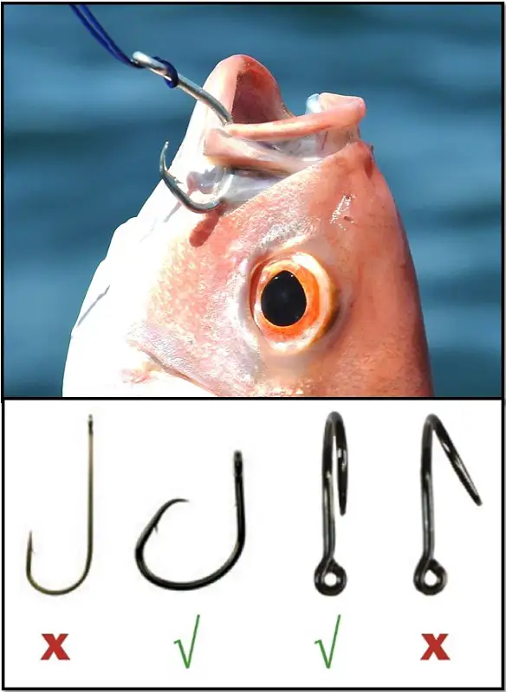
According to research and insights shared by the team at Return ‘Em Right, hook placement is the first line of defense in catch-and-release survival. A jaw-hooked fish experiences less internal trauma, minimal bleeding, and a much faster release process. And while we don’t expect anyone to fashion their own circle hook out of bone or antler (although send us a photo if you do!), it is important to remember to use non-stainless steel circle hooks just in case the hook is swallowed and the dehooking process is likely to cause severe internal damage to the fish. It’s better to cut the line as low as possible and allow the hook to rust and dissolve away over time. It’s also important to remember to use non-offset circle hooks. Offset hooks bend the point to the side and are more likely to snag internal tissue.
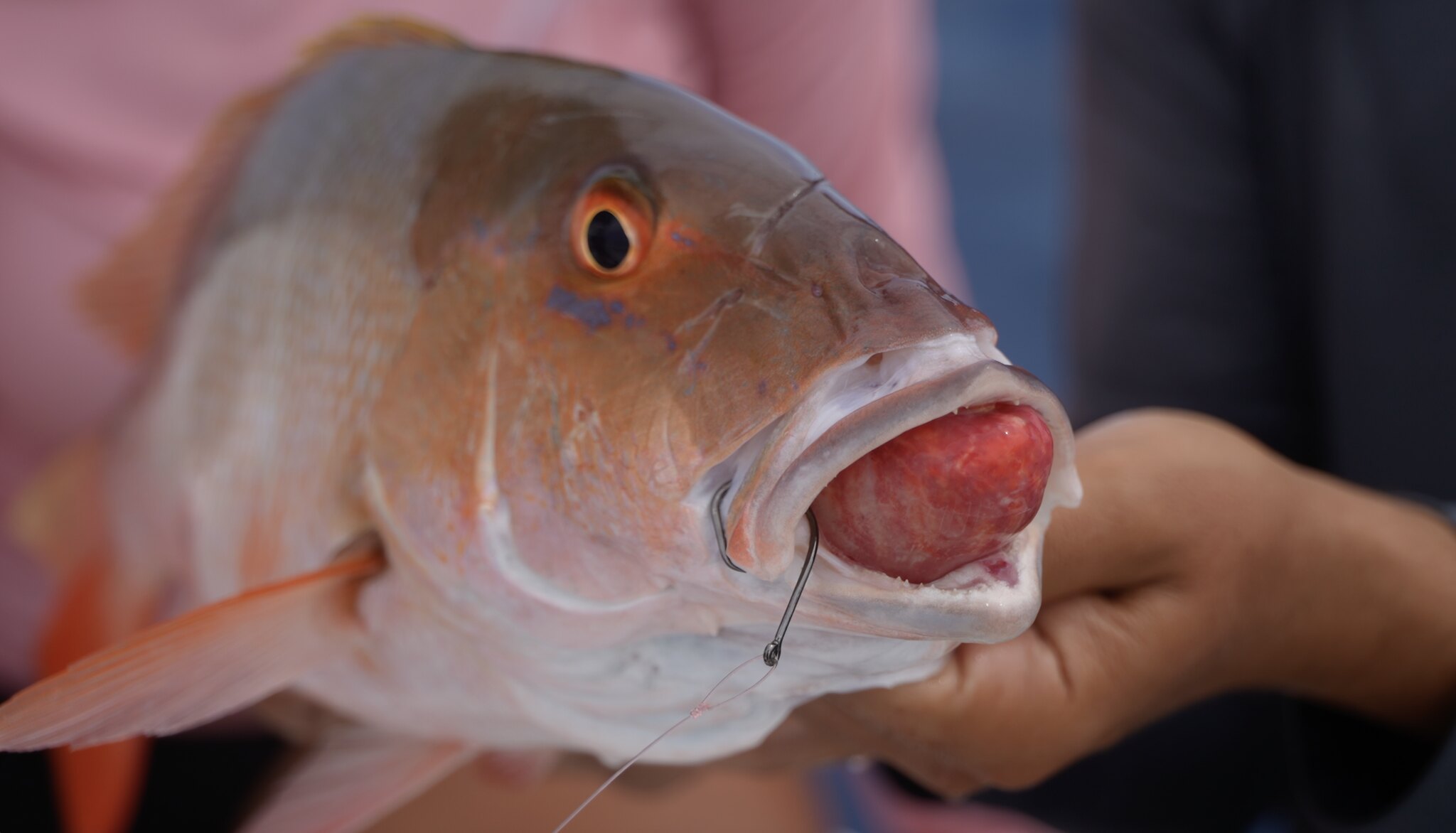
Boosting Survival.
Using circle hooks is a fantastic start, but it’s only one part of the “survival toolkit.” As noted in recent Return ‘Em Right blogs, a successful release requires addressing the physical stress a fish undergoes when pulled from the depths.
Jaw-Hooked Fish:
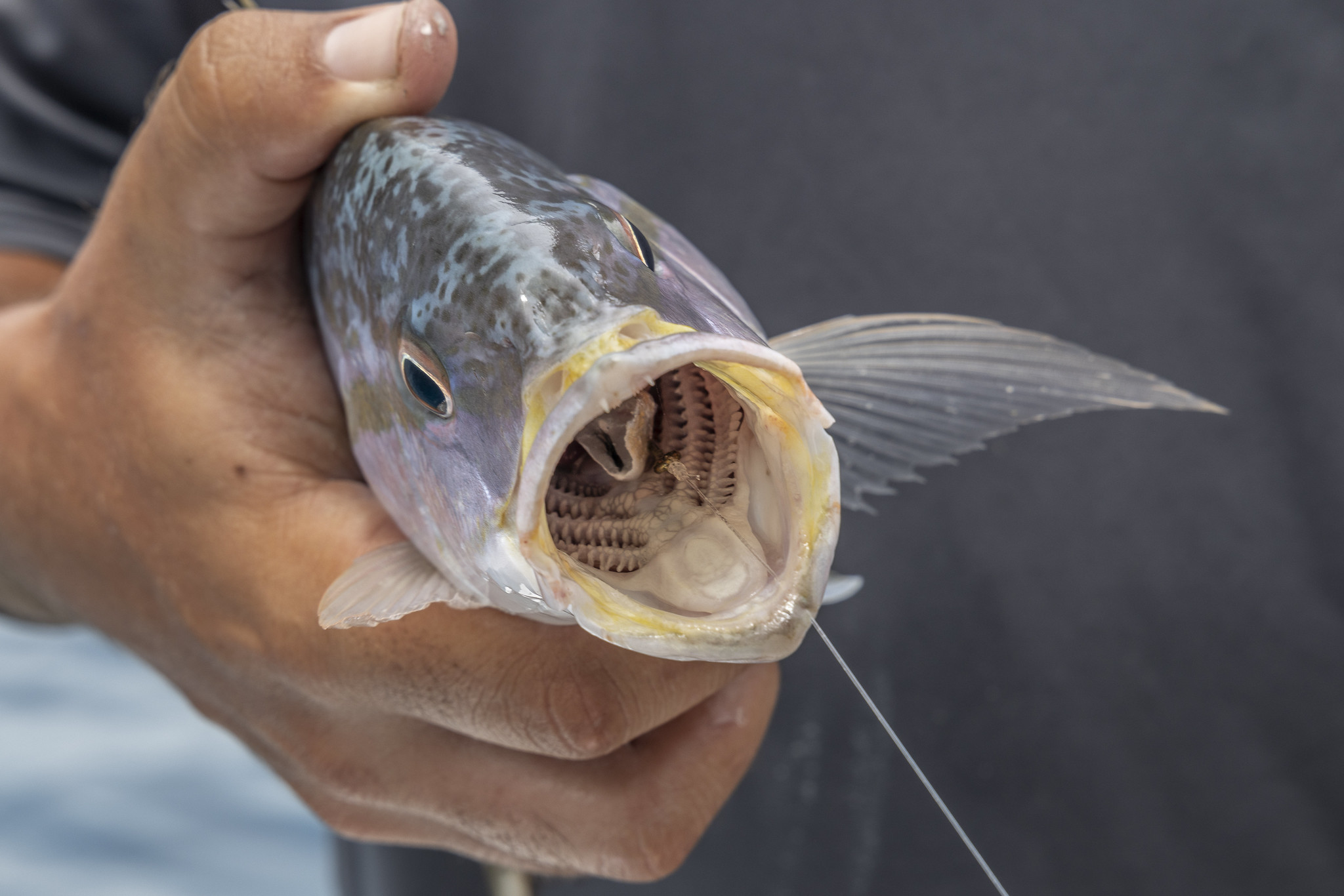
A recent study on catch and release mortality in red snapper revealed that jaw-hooked fish are much more likely to survive release than deep-hooked fish. Discard mortality of jaw-hooked fish was estimated to be roughly 6%, while discard mortality of deep-hooked fish was ~88%. A great way to increase the chance of jaw-hooking a fish is to use the right circle hooks. (Rudershausen et al. 2025).
Combating Barotrauma:
Even with a perfect jaw hook, fish pulled from 50+ feet often suffer from barotrauma—where gases expand internally, leaving them bloated and unable to swim down. While “venting” (releasing gas with a needle) can help increase survival, experts now recommend descending devices. These tools use weights to carry the fish back to its natural depth, recompressing the gases instantly.
Speed is Key:
Minimizing the amount of time a fish is out of the water is crucial. Circle hooks make de-hooking faster and safer, allowing you to get the fish onto a descending device and back into the water in seconds.
Check to See if Circle Hooks are Required.
Regulation Summary When Targeting Reef Fish Species |
||
| Region | State Waters | Federal Waters |
| Gulf of America | Non-stainless steel, non-offset circle hooks when fishing with natural bait. | Non-stainless steel, circle hooks when fishing with natural bait |
| South Atlantic | Non-offset, non-stainless circle hooks are required north of 28° N latitude (near Cape Canaveral) when using natural bait. | Non-offset, non-stainless circle hooks are required north of 28° N latitude (near Cape Canaveral) when using natural bait. |
| Common Thread | Across both regions, hooks must be non-stainless steel so they can rust away quickly if a line breaks. And anglers must also have and use dehooking devices as well as a descending device or venting tool. | |
A Responsibility to the Fishery.
As we teach the next generation, the goal isn’t just to catch fish, but to respect the fishery and the ecosystem it depends on. Whether you’re a seasoned pro or taking the kids out for their first trip, using circle hooks is a simple choice that can make a big impact.
Ready to level up your release game?
The Return ‘Em Right program offers a free 15-minute online training on best release practices. Upon completion, eligible Gulf reef fish anglers can receive gear for free by simply covering the cost of shipping and handling.
Tight lines, and remember: Return ‘Em Right!